Powerlifting and bodybuilding grew from the same root, but today they are two different training philosophies. One sport measures success in kilograms on the bar, the other by the judges' scores. The editorial team has compared the approaches of both disciplines and explains what the ordinary gym-goer should take from them.
Two disciplines — two different goals
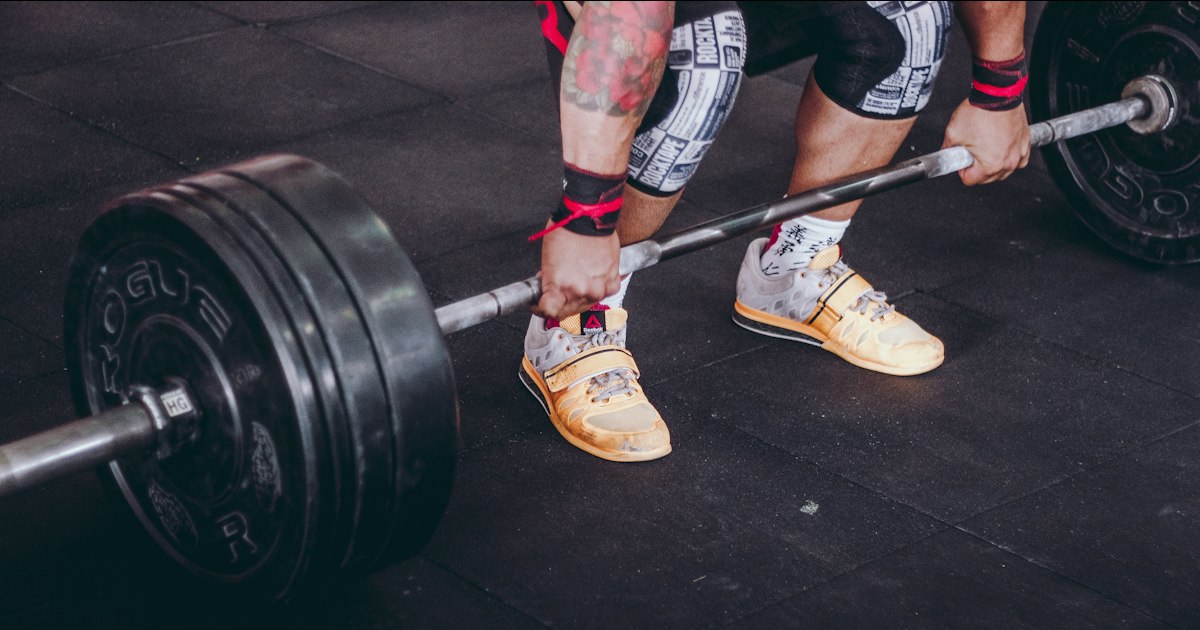
Powerlifting and bodybuilding are often confused, since both sports use a barbell, dumbbells, and a gym. Yet their goals are fundamentally different. In powerlifting the winner is the one who lifts the greatest weight in three lifts: the squat, the bench press, and the deadlift. In bodybuilding the judges assess appearance: muscle mass, proportions, symmetry, and definition.
In other words, the powerlifter trains a result — kilograms in a specific movement under the rules of the federation — while the bodybuilder trains the body as an aesthetic object. This difference determines everything else: exercise selection, the number of reps, nutrition, and even the psychology of preparation.
At the same time, there is no impassable boundary between the disciplines. Stronger muscles are usually bigger, and bigger muscles have greater strength potential. Many athletes have competed successfully in both, and the popular “powerbuilding” approach deliberately combines both.
| Parameter | Powerlifting | Bodybuilding |
|---|---|---|
| Goal | Maximum weight in three movements | Muscle mass, proportions, definition |
| Main exercises | Squat, bench press, deadlift | A wide set of basic and isolation exercises |
| Typical reps | Mostly 1–6 in the competition movements | Mostly 6–15 and more |
| Technique | Maximum leverage efficiency within the rules | Loading the target muscle |
| Assessment | Objective: the weight on the bar | Subjective: the judges' decision |
Intensity, volume, and rep ranges
The classic notion of a “rep continuum” holds that low reps with heavy weight develop strength, medium reps develop mass, and high reps develop endurance. Modern data have refined this picture. A 2017 meta-analysis by Schoenfeld, Grgic, Ogborn, and Krieger showed that maximal strength grows more with heavy weights, whereas hypertrophy is similar with light and heavy weights if the sets are taken close to failure.
For the powerlifter, the principle of specificity means that heavy work in the competition movements is mandatory: strength is to a large extent a skill perfected under specific conditions. A meta-analysis by Rhea and colleagues on the “dose” for developing strength showed that in trained athletes the greatest strength gain is associated with high relative intensities.
For the bodybuilder, the key parameter is volume — the number of hard sets per muscle group per week. A 2017 meta-analysis by Schoenfeld, Ogborn, and Krieger found a dose-dependent relationship: greater weekly volume was associated with greater muscle-mass gain, at least up to a certain limit.
A 2014 study by Schoenfeld and colleagues, which compared a “powerlifting” (3 × 3 with heavy weight) and a “bodybuilding” (3 × 10) scheme at equal training volume, showed a similar muscle gain but a greater strength gain in the “powerlifting” group — at the cost of longer workouts and more joint fatigue.
Exercise selection and technique
The powerlifter builds the program around the three competition exercises and their variations: paused squats, board presses, block pulls. Assistance exercises are chosen to “bring up” the weak links of a specific movement. Technique is subordinated to the rules: for example, in the bench press an arch and a wide grip are allowed within the regulations, which shortens the range.
The bodybuilder, by contrast, often deliberately makes an exercise “more awkward” to increase the load on the target muscle: a slow negative, a full range, a pause in the stretched position. A wide choice of angles, machines, and isolation exercises allows them to work muscles that are underused in the basic movements.
- powerlifting: specificity, stable technique, precision of the bar path;
- bodybuilding: variety of exercises, control of the movement, muscle feel;
- both: progressive overload as the main driver of adaptation.
These differences explain why powerlifters often have disproportionately developed individual muscle groups, while bodybuilders can be inferior in strength in the three movements to athletes of lesser mass. Each trains for their own criterion of success.
Nutrition, weight classes, and contest prep
Powerlifters compete in weight classes, so nutrition is subordinated to the weight limit: to build maximum strength within the class. Before competitions, some athletes briefly cut water weight, which requires caution and control, since dehydration lowers performance and can be dangerous.
In bodybuilding, contest prep involves a prolonged diet to reduce body-fat percentage to very low values. Reviews by Helms, Aragon, and Fitschen on “natural” prep recommend a gradual reduction in body weight, high protein intake, and maintaining strength training to minimize muscle loss.
Extreme “cutting” is associated with risks: hormonal changes, a drop in performance, and disturbances of mood and sleep. Practices such as sharply restricting fluids and electrolytes or using diuretics before going on stage are dangerous and pose a risk to life.
The off-season for bodybuilders is a bulking phase with a moderate caloric surplus. In powerlifters, nutrition is more even throughout the year. Both disciplines require sufficient protein and overall energy for recovery.
Injuries and longevity in the sport
A review by Keogh and Winwood on injuries in strength sports showed that the overall injury rate in powerlifting and bodybuilding is relatively low compared with many team sports, when calculated per 1000 hours of training. The shoulders, lower back, and knees are most often affected.
Powerlifting carries risks associated with working with submaximal and maximal weights: overload of the lumbar spine, injuries to the pectoral and biceps tendons. Bodybuilding carries risks of chronic overload from a large volume and often risks associated with drug use.
For amateur athletes of both directions, periodization is important: alternating heavy and lighter weeks, deloads, and refusing to train constantly “to failure.” This prolongs the athletic career and preserves the joints.
It is worth mentioning separately that in both disciplines there are federations with doping control under WADA rules and federations without it. Anabolic steroids and similar drugs are on the WADA Prohibited List and are associated with serious risks to the heart, liver, and hormonal system.
Editorial conclusions
Powerlifting and bodybuilding differ first of all in their goal: maximum weight in three movements versus the aesthetics of the body. Hence the different choice of exercises, rep ranges, technique, and nutrition.
Research shows that strength develops best when working with heavy weights in specific movements, whereas hypertrophy depends on volume and proximity to failure and is achieved across a wide rep range.
For most amateurs the optimum is a combination of elements of both approaches: heavy work in the basic movements plus sufficient volume for muscle growth.
We also recommend our articles on the deload week, on building endurance in strength athletes, and on training with a shoulder injury.
References
- Schoenfeld BJ, Grgic J, Ogborn D, Krieger JW. Strength and hypertrophic adaptations between low- vs. high-load resistance training: a systematic review and meta-analysis. J Strength Cond Res. 2017;31(12):3508–3523.
- Schoenfeld BJ, Ogborn D, Krieger JW. Dose-response relationship between weekly resistance training volume and increases in muscle mass: a systematic review and meta-analysis. J Sports Sci. 2017;35(11):1073–1082.
- Schoenfeld BJ, Ratamess NA, Peterson MD, et al. Effects of different volume-equated resistance training loading strategies on muscular adaptations in well-trained men. J Strength Cond Res. 2014;28(10):2909–2918.
- Rhea MR, Alvar BA, Burkett LN, Ball SD. A meta-analysis to determine the dose response for strength development. Med Sci Sports Exerc. 2003;35(3):456–464.
- Helms ER, Aragon AA, Fitschen PJ. Evidence-based recommendations for natural bodybuilding contest preparation: nutrition and supplementation. J Int Soc Sports Nutr. 2014;11:20.
- Keogh JWL, Winwood PW. The epidemiology of injuries across the weight-training sports. Sports Med. 2017;47(3):479–501.
- World Anti-Doping Agency. The World Anti-Doping Code: International Standard — Prohibited List. Montreal: WADA; оновлюється щороку.
Andriy Melnyk
A strength-sports coach and author of programs for beginner and intermediate levels. Writes about training planning.